
Innovations in Online Tutoring: Trends Shaping the Future of Education

In recent years, online tutoring has transformed from a niche service to a mainstream educational tool. The rapid advancement of technology and the growing demand for personalized learning experiences have driven significant innovations in this field. As we look to the future, several trends are emerging that promise to reshape the way education is delivered and experienced.
AI-Powered Personalized Learning
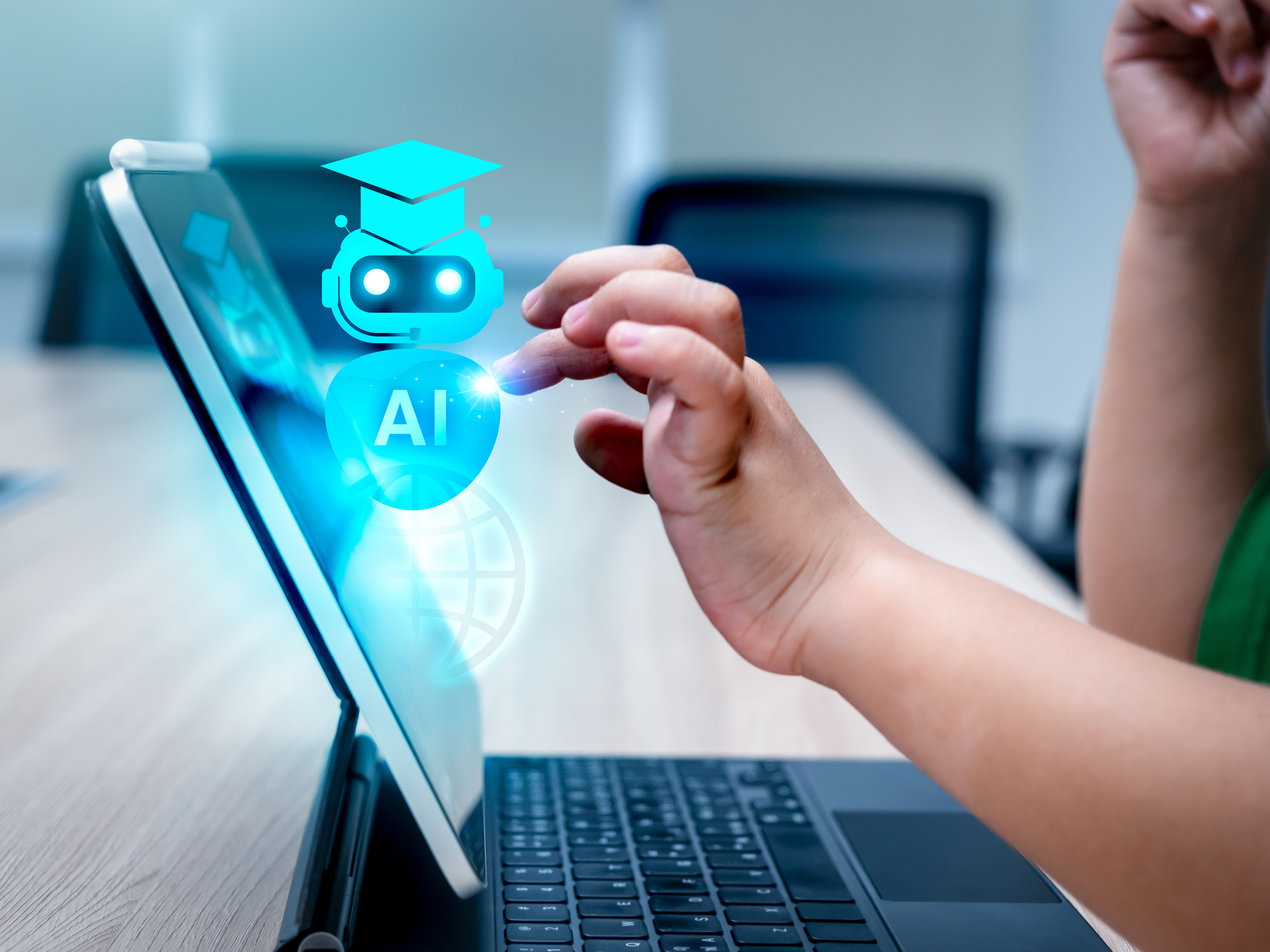
One of the most exciting developments in online tutoring is the use of artificial intelligence to create personalized learning experiences. AI algorithms can analyze a student's performance and learning style to tailor instructional content and pacing. This customization helps students grasp difficult concepts more effectively and keeps them engaged.
Moreover, AI can provide instant feedback and assistance, allowing learners to address their weaknesses promptly. This level of personalization was once unimaginable in traditional classroom settings, highlighting the potential of online platforms to revolutionize education.
Immersive Learning with Virtual Reality
Virtual reality (VR) is making waves in online tutoring by creating immersive learning environments. This technology allows students to explore complex subjects through simulations and interactive experiences. For instance, a biology student can virtually dissect an organism, or a history student can walk through ancient civilizations.
These immersive experiences make learning more engaging and memorable. By bringing abstract concepts to life, VR helps students understand and retain information more effectively. As VR technology becomes more accessible, we can expect it to become a staple in online education.
Collaborative Learning Platforms
The rise of collaborative learning platforms is another trend shaping the future of online tutoring. These platforms enable students to work together on projects, share insights, and learn from each other, regardless of geographical barriers. Tools like shared documents, discussion boards, and video conferencing facilitate seamless collaboration.

Collaborative learning not only enhances understanding but also builds essential skills like teamwork and communication. By fostering a sense of community, these platforms help replicate the social aspects of traditional classrooms in an online setting.
Gamification in Education
Gamification, or the incorporation of game elements into learning, is gaining traction in online tutoring. By using points, badges, and leaderboards, educators can motivate students and make learning more enjoyable. This approach taps into the natural human desire for competition and achievement.
Gamification encourages students to take an active role in their education, leading to higher engagement and better outcomes. As more educators recognize the potential of this strategy, we can anticipate its widespread adoption in online platforms.

Data Analytics for Enhanced Outcomes
Data analytics plays a crucial role in the evolution of online tutoring. By collecting and analyzing data on student performance, educators can gain valuable insights into learning patterns and outcomes. This information helps in refining teaching strategies and identifying areas where students need additional support.
With data-driven decision-making, online tutors can offer more targeted and effective instruction. This approach not only improves individual learning experiences but also contributes to the overall advancement of educational practices.
In conclusion, the future of online tutoring is bright, with innovations such as AI, VR, collaborative platforms, gamification, and data analytics leading the way. As these technologies continue to evolve, they promise to make education more personalized, engaging, and effective, ultimately shaping the future of learning.