
Understanding Seasonal Learning Trends: Preparing Your Child for Academic Success


Understanding Seasonal Learning Trends
As the seasons change, so do various elements of our environment. These changes can have a significant impact on your child's learning patterns. Understanding these seasonal learning trends can help you prepare your child for academic success throughout the year.
The Impact of Seasons on Learning
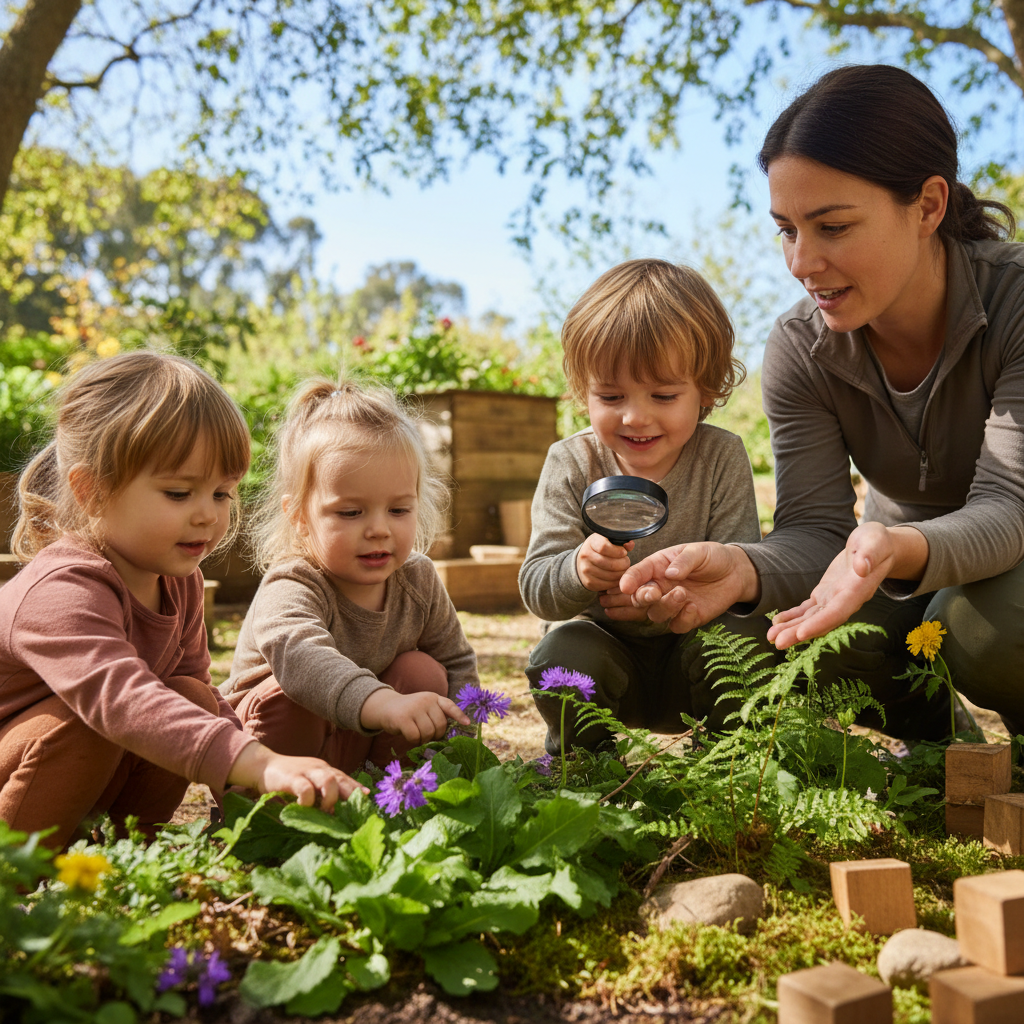
Seasonal changes can influence a child's mood, energy levels, and concentration. For instance, the shorter days in winter can lead to decreased exposure to sunlight, which might affect a child's mood and energy. On the other hand, spring and summer often bring increased daylight and outdoor activities that can enhance a child's enthusiasm for learning.
It's crucial to recognize these patterns and adjust learning strategies accordingly. This can ensure that your child remains engaged and motivated regardless of the season.
Adapting Study Habits
To align with seasonal learning trends, you might consider modifying your child's study habits throughout the year. Here are some strategies:
- Winter: Focus on indoor activities that stimulate the mind, such as puzzles and board games.
- Spring: Encourage outdoor study sessions to take advantage of the pleasant weather.
- Summer: Incorporate educational trips and hands-on learning experiences.
- Fall: Establish a routine to get back into the academic rhythm after summer break.

Nutrition and Seasonal Learning
Nutrition plays a vital role in how well a child can focus and learn. Seasonal changes can affect dietary habits, which in turn, impact academic performance. During colder months, warm, hearty meals can provide comfort and energy. Conversely, lighter, refreshing meals are often more suitable during warmer seasons.
Ensure your child has a balanced diet rich in vitamins and minerals to support their learning throughout the year.
Leveraging Seasonal Activities
Engaging your child in seasonal activities can enhance their learning experience. For example, autumn can be a great time for nature walks and learning about the changing leaves, while winter provides opportunities for indoor science experiments. These activities not only make learning fun but also help reinforce academic concepts in a practical manner.

Creating a Year-Round Learning Environment
Finally, creating a supportive learning environment at home is essential. Ensure that your child has a dedicated space for studying that is free from distractions and adjusted for seasonal needs, such as proper lighting in the winter or adequate ventilation in the summer.
By understanding and adapting to seasonal learning trends, you can help your child achieve consistent academic success throughout the year.