
Top 5 Educational Trends Impacting Student Performance

Embracing Technology in the Classroom
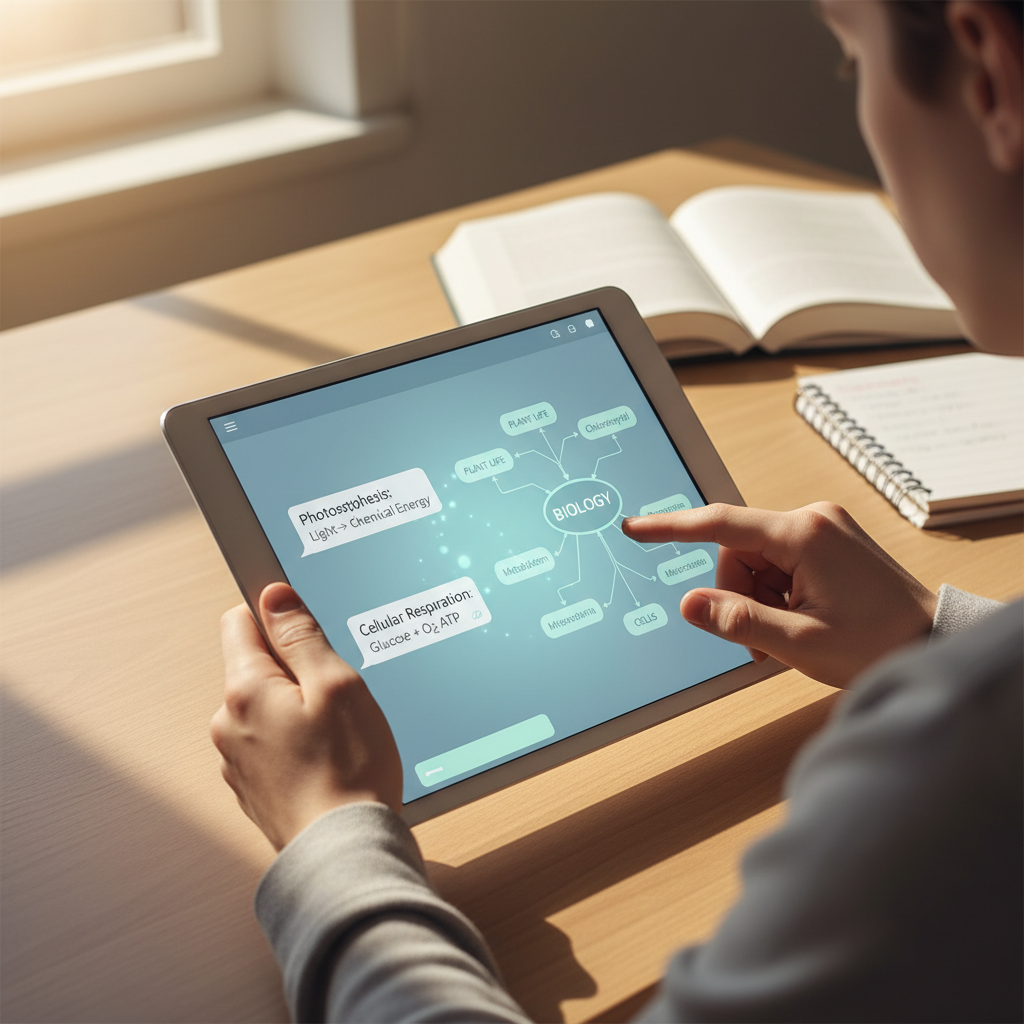
The integration of technology in education has become a significant trend, transforming how students learn and engage with content. With the proliferation of digital tools and resources, students now have access to a wealth of information at their fingertips. This shift is not only enhancing learning experiences but also improving student performance by fostering greater engagement and interactivity.
One of the most impactful tools is the use of tablets and laptops, which allow for a more personalized learning experience. Educational apps and platforms provide interactive lessons and instant feedback, catering to individual learning paces and styles. This approach helps in identifying strengths and areas for improvement, enabling targeted assistance.
Online Learning Platforms
The rise of online learning platforms has opened up new avenues for students to access quality education regardless of geographical constraints. Platforms like Khan Academy, Coursera, and EdX offer courses from top institutions, allowing students to learn at their own pace. This flexibility is crucial for accommodating diverse learning needs and schedules.
Moreover, online platforms often incorporate gamification elements, making learning more engaging and motivating for students. By turning lessons into interactive games, students are more likely to retain information and develop a genuine interest in the subject matter.
Focus on Social-Emotional Learning (SEL)
Social-emotional learning is gaining traction as educators recognize the importance of emotional intelligence in academic success and personal development. SEL programs aim to teach students skills such as empathy, self-awareness, and interpersonal communication. These skills are vital for creating a positive and inclusive classroom environment.
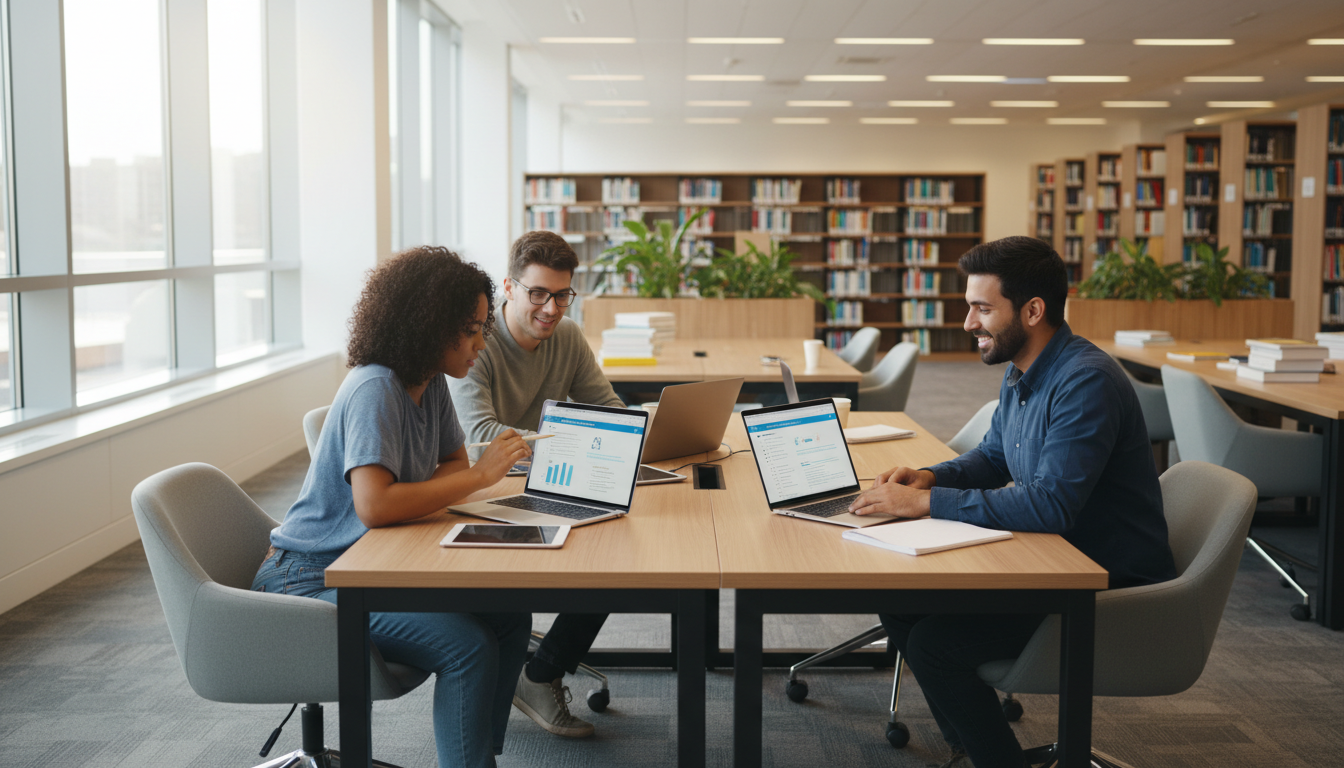
Research indicates that students who participate in SEL programs demonstrate improved academic performance, better classroom behavior, and increased ability to manage stress. By addressing the emotional and social aspects of learning, educators can foster a more holistic educational experience.
Mindfulness and Stress Reduction
Incorporating mindfulness practices in schools is another trend that is positively impacting student performance. Techniques such as meditation and breathing exercises help students develop focus and reduce anxiety, creating a conducive environment for learning. Schools are increasingly recognizing the benefits of teaching students how to manage stress, which in turn supports better academic outcomes.
Personalized Learning Approaches
Personalized learning tailors educational experiences to meet individual student needs, preferences, and learning styles. This trend is facilitated by data-driven insights and adaptive learning technologies that can customize lesson plans and assessments. By offering content that resonates with each student's unique profile, educators can enhance engagement and motivation.

Personalized learning encourages students to take ownership of their education, promoting a sense of responsibility and independence. As students become more engaged, their performance often improves, leading to better academic results and a deeper understanding of the material.
Project-Based Learning
Project-based learning (PBL) is an instructional approach that emphasizes real-world problem-solving and critical thinking. By engaging in projects that require collaboration, research, and creative problem-solving, students develop essential skills that are applicable beyond the classroom. PBL encourages active participation, which can lead to enhanced understanding and retention of knowledge.
As educational trends continue to evolve, these strategies are shaping a more dynamic and effective learning environment. By embracing these trends, educators can significantly impact student performance, preparing them for future academic and professional success.