
Exploring the Latest Trends in Online Education


The Rise of Microlearning
The digital age has ushered in a new era in education, with traditional models evolving to meet the needs of learners worldwide. One significant trend is microlearning, which involves delivering content in small, manageable units. This approach caters to the modern learner's lifestyle, allowing them to engage with educational material on the go and in short bursts.
Microlearning often employs multimedia elements such as videos, quizzes, and infographics to enhance understanding. This method not only improves engagement but also aids in better retention of information.

Adaptive Learning Technologies
Another trend reshaping online education is the use of adaptive learning technologies. These systems personalize the learning experience by adjusting content based on a learner's performance and progress. By identifying individual strengths and weaknesses, adaptive learning platforms can offer customized resources and support.
This personalized approach ensures that learners receive the most relevant content, enhancing their educational journey and improving outcomes. As technology continues to advance, adaptive learning systems are becoming more sophisticated and widely adopted.

Gamification in Education
Gamification is increasingly being used to make learning more engaging and enjoyable. By incorporating game-like elements such as points, badges, and leaderboards, educators can motivate students and encourage participation. This method leverages the natural human desire for competition and achievement.
Successful gamification strategies often lead to increased motivation and a more profound understanding of the material. It's a trend that is gaining traction across various educational platforms, from language learning apps to professional development courses.

Virtual and Augmented Reality
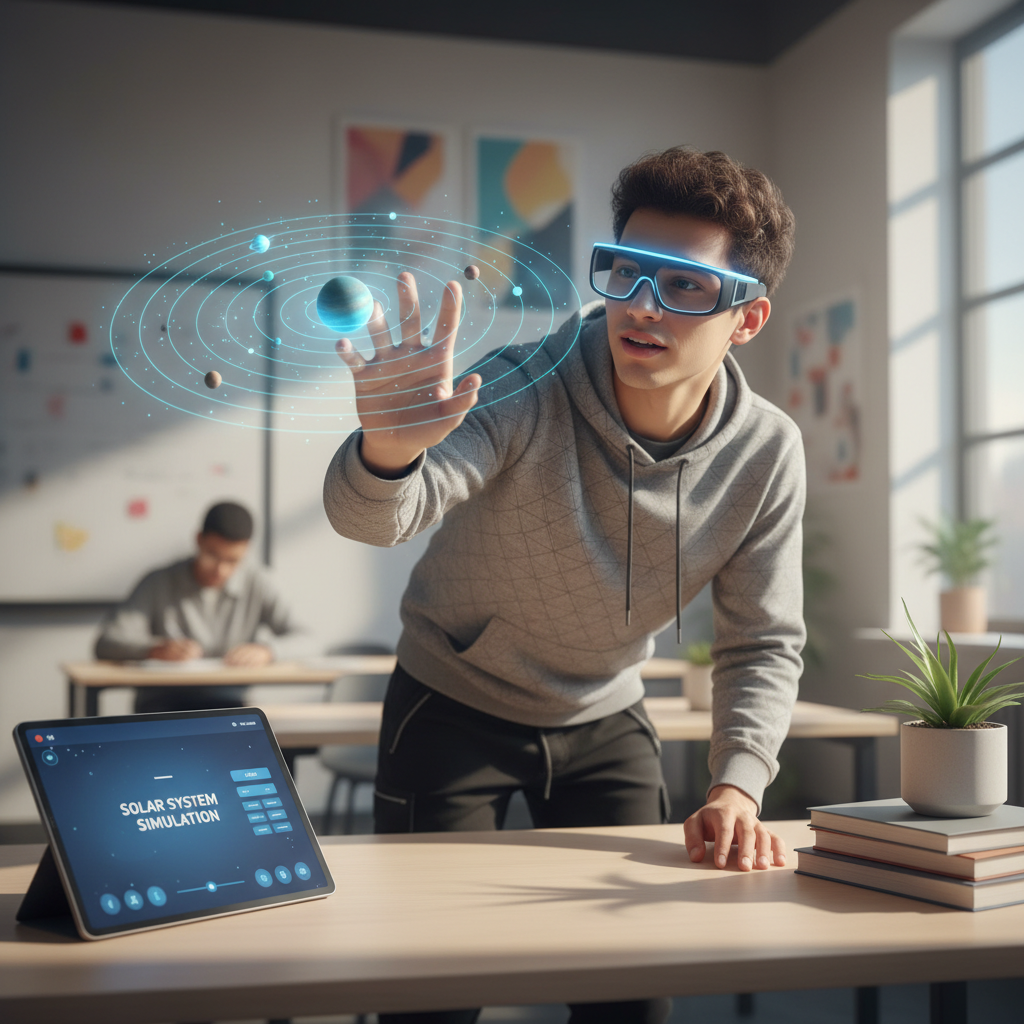
Virtual Reality (VR) and Augmented Reality (AR) are transforming the way we approach online education. These immersive technologies provide learners with hands-on experiences that are both engaging and informative. For instance, VR can simulate real-world environments, allowing students to practice skills in a risk-free setting.
AR, on the other hand, overlays digital information onto the real world, enhancing the learning experience by providing additional context and interactivity. These technologies are particularly beneficial in fields such as medicine, engineering, and architecture.
Collaborative Learning Platforms
As education becomes more digital, the need for collaborative learning platforms has grown. These platforms enable students to work together in real-time, regardless of their physical location. By fostering communication and collaboration, they prepare learners for the modern workforce, where teamwork and digital interaction are crucial.
Features such as discussion forums, group projects, and peer reviews are integral to these platforms, promoting a sense of community and shared learning.
The Future of Online Education
The trends in online education continue to evolve, driven by technological advances and changing learner needs. As we look to the future, it's clear that flexibility, personalization, and interactivity will remain key components of effective online learning experiences.
Embracing these trends will not only enhance the educational landscape but also provide learners with the tools they need to succeed in an increasingly digital world.