
Debunking Myths: Is Online Tutoring as Effective as In-Person Sessions?

Online tutoring has become increasingly popular, especially in recent years. However, there are still many misconceptions surrounding its effectiveness compared to traditional in-person sessions. In this post, we will explore and debunk some of the common myths about online tutoring.
Myth 1: Online Tutoring Lacks Personal Interaction
One of the most prevalent myths is that online tutoring lacks the personal touch of face-to-face interactions. In reality, many online platforms offer video conferencing tools that allow for real-time communication, making it possible to establish a personal connection with students. Tutors can use interactive tools like virtual whiteboards and screen-sharing to create an engaging learning experience.

Building Relationships Online
Despite the physical distance, online tutors can still build strong relationships with their students. By maintaining regular communication and providing personalized feedback, tutors can create a supportive learning environment that fosters trust and encouragement.
Myth 2: Online Tutoring is Less Effective for Learning
Another common misconception is that online tutoring is inherently less effective than in-person sessions. However, numerous studies have shown that online tutoring can be just as effective, if not more so, due to its flexibility and accessibility. Students can access resources and review materials at their own pace, which can enhance their understanding and retention of information.

Adapting to Different Learning Styles
Online tutoring platforms often offer a variety of resources, catering to different learning styles. Whether a student prefers visual aids, auditory lessons, or interactive exercises, online tutoring can provide the necessary tools to accommodate their needs, making learning more effective and enjoyable.
Myth 3: Technical Issues Make Online Tutoring Unreliable
Technical difficulties are often cited as a major drawback of online tutoring. While it’s true that issues can arise, modern technology has made significant strides in reliability. Most platforms have support systems in place to address any technical problems quickly, ensuring minimal disruption to the learning process.
Preparing for Success
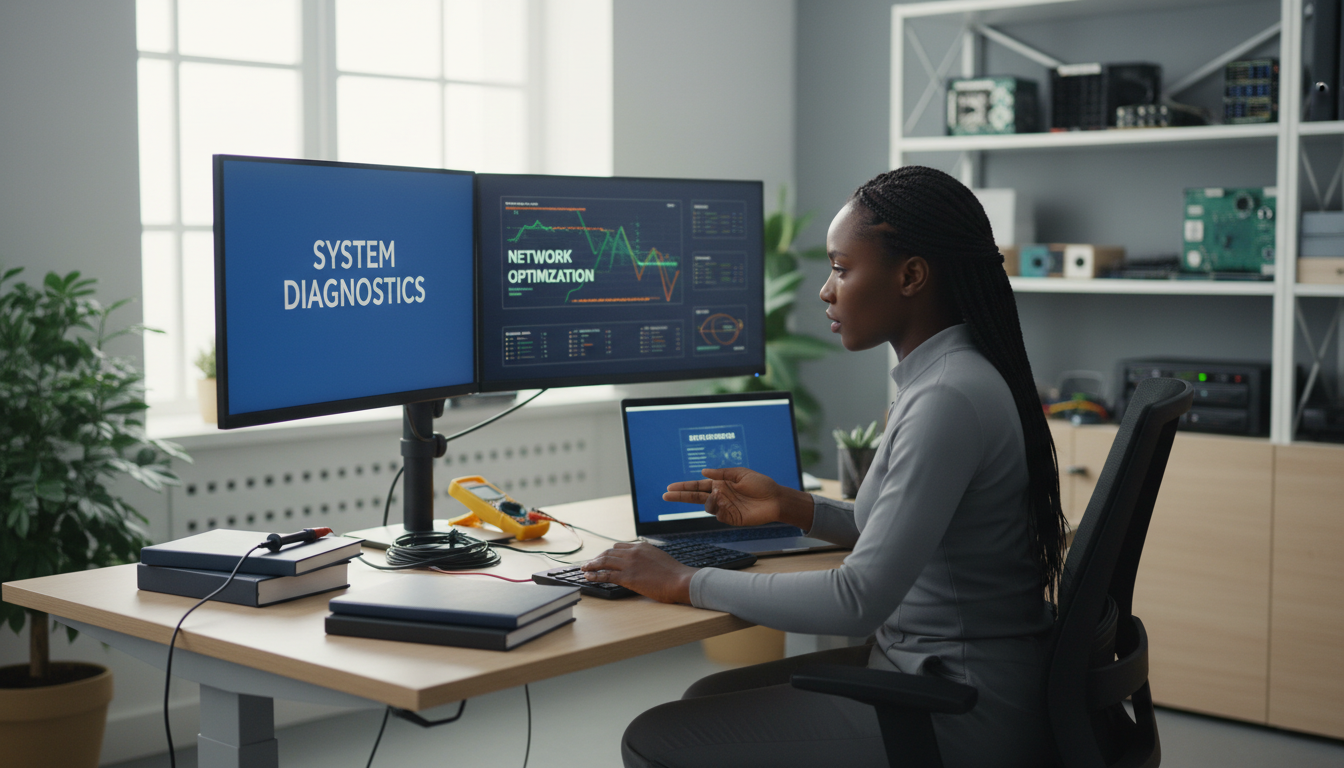
Both tutors and students can take proactive steps to minimize technical issues. Ensuring a stable internet connection, using updated software, and having a backup plan can help create a smooth and efficient online tutoring experience.
Conclusion
Online tutoring offers a flexible, accessible, and effective alternative to traditional in-person sessions. By debunking these myths, we can better appreciate the potential of online education to adapt to the needs of diverse learners. As technology continues to evolve, online tutoring will likely become an even more integral part of the educational landscape.