
10 Common Misconceptions About Online Tutoring Debunked

Understanding Online Tutoring
Online tutoring is becoming increasingly popular, yet several misconceptions persist. These myths can deter potential learners from embracing this effective educational method. Let's debunk some common myths to better understand the value of online tutoring.

Myth 1: Online Tutoring Is Impersonal
A common belief is that online tutoring lacks the personal touch of face-to-face interactions. However, many platforms offer video sessions, allowing tutors and students to see and interact with each other in real-time. This personal connection can be just as strong as in-person tutoring.
Moreover, online platforms often provide tools like chat, shared screens, and interactive whiteboards that enhance communication, making sessions engaging and effective.
Myth 2: Online Tutoring Is Less Effective Than In-Person Tutoring
Effectiveness in tutoring depends on the tutor's skills and the learner's engagement, not the medium. Many studies have shown that online tutoring can be just as effective as traditional methods, particularly when tailored to the student's needs.
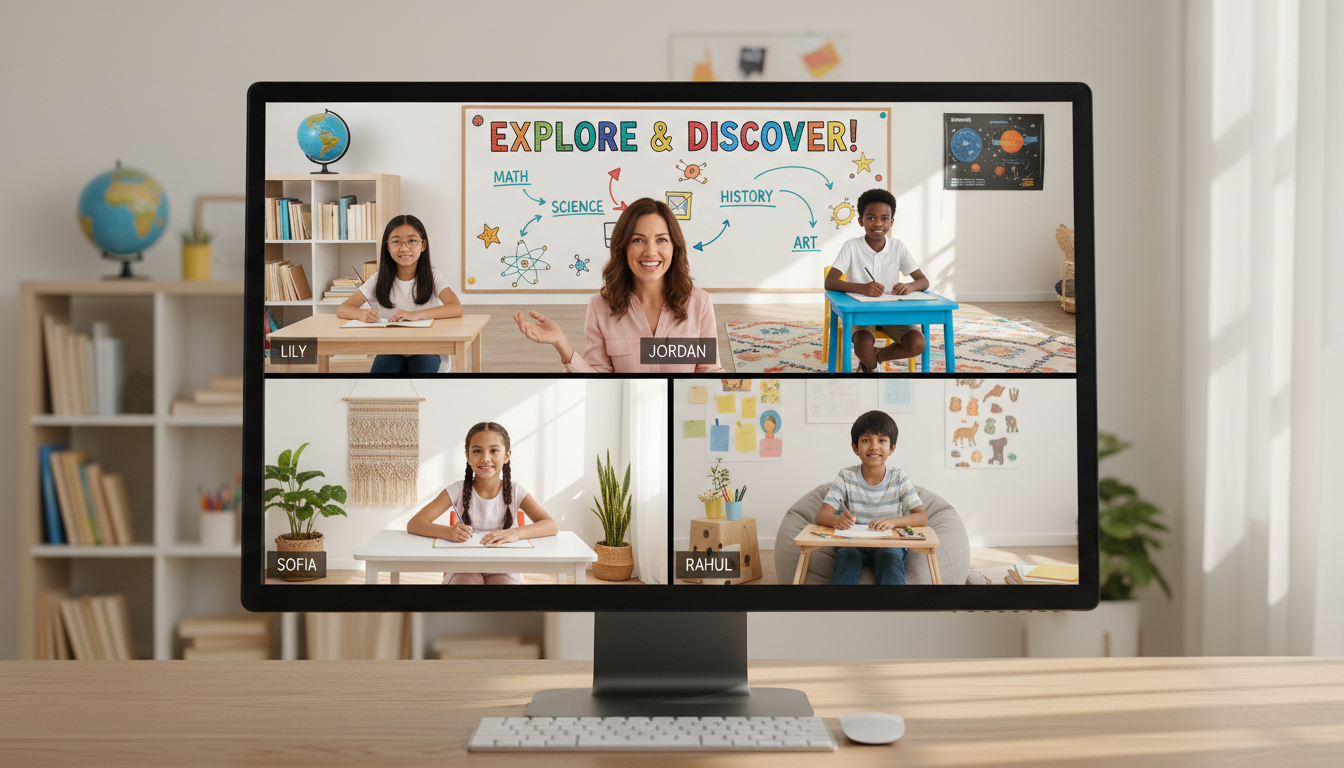
Online tutoring offers flexibility and access to a wide range of resources that might not be available locally, often leading to improved learning outcomes.
Technical and Accessibility Concerns
Some individuals worry about the technical aspects of online tutoring. Let's explore these concerns and debunk the myths surrounding them.
Myth 3: Technical Issues Are Inevitable
While technical issues can occur, they are not as frequent as assumed. Most platforms are equipped with robust support systems to address any problems promptly. Moreover, with advancements in technology, internet connectivity and platform reliability have greatly improved.

Myth 4: Online Tutoring Is Not Accessible to Everyone
Accessibility has significantly improved with the introduction of various tools and platforms designed for different needs. Many online tutoring services offer features such as screen readers and translation tools, making learning accessible to a wider audience.
Cost and Flexibility Misunderstandings
Cost and flexibility are often misunderstood aspects of online tutoring. Let's clarify these misconceptions.
Myth 5: Online Tutoring Is Too Expensive
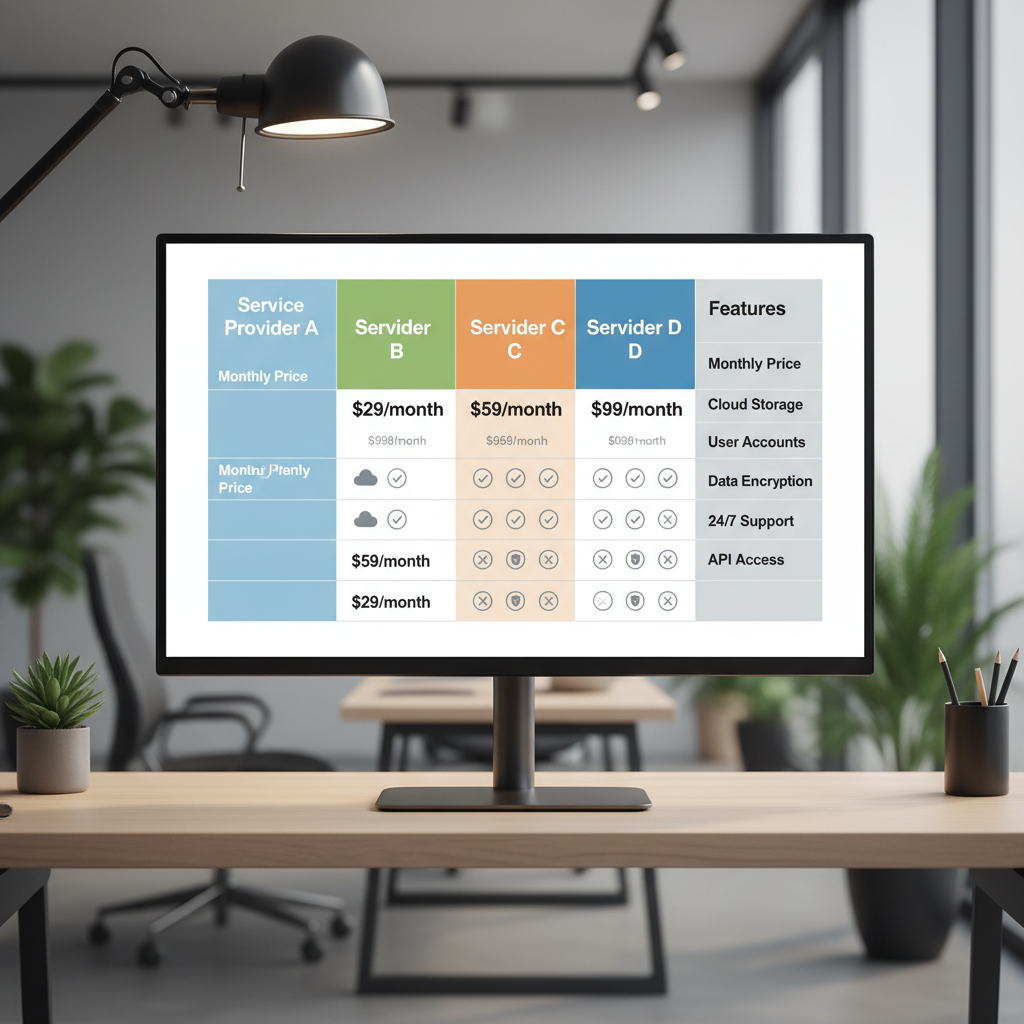
Contrary to popular belief, online tutoring can be more cost-effective than traditional tutoring. Without the need for physical space, many services offer competitive pricing. Additionally, there are numerous platforms providing free or affordable resources.
Myth 6: Online Tutoring Lacks Flexibility
One of the greatest advantages of online tutoring is its flexibility. Students can schedule sessions at their convenience, accommodating busy lifestyles. This flexibility allows for a personalized learning pace, which can enhance the overall educational experience.
Concluding Thoughts
Understanding the realities of online tutoring helps dispel myths and highlights its potential as a powerful educational tool. By recognizing the benefits and debunking misconceptions, learners can make informed decisions and embrace the flexibility and accessibility online tutoring offers.